

Carrying wheeled mobility devices in accessible taxis
On this page
Wheelchairs
Wheelchairs are generally suitable to transport in accessible taxis with the passenger seated in the wheelchair, if you can:
- appropriately secure the wheelchair using 4 anchorage points
- restrain the passenger.
The following are examples of suitable wheelchairs that your passenger can sit in during travel.


Other mobility devices
Many wheeled mobility devices are not safe to transport in accessible taxis with passengers seated in them. This includes:
- scooters
- reclining chair beds, such as Princess or Regency chairs
- wheeled walking frames.
These types of wheeled mobility devices are structurally different from wheelchairs. Examples of these mobility devices are shown below.
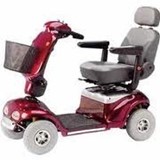
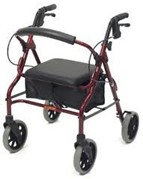

Reclining chair beds
When a passenger is reclined in a chair bed, they’ll be inadequately restrained in a taxi. Additionally, the reclining mechanism results in a lack of rigidity and makes the chair less stable at all times. This creates a serious safety risk as the person cannot be safely secured in the taxi.
You should not allow passengers to remain seated in a reclining chair bed while travelling. This puts both you and the passenger in danger should an accident happen or if you need to make a sudden move to avoid one.
Unoccupied wheeled mobility devices
You may carry wheeled mobility devices in an accessible taxi if:
- the passenger can transfer from the mobility device into a fixed seat in the vehicle and use the vehicle’s seatbelt
- you safely restrain the mobility device to prevent it moving.
- Last updated
- 19 July 2025